Overview
SSL (Secure Sockets Layer) is the standard security technology for establishing an encrypted link between a web server and a browser. This link ensures that all data passed between the web server and browsers remain private and integral. SSL is an industry standard used by millions of websites in the protection of their online transactions with their customers. If you do business online, you need SSL protection!
SSL Certificate provides data encryption (scrambling of data to prevent tampering during transmissions) and validation (verification of the business behind the website). When a website visitor enters SSL-protected areas of your website, your SSL certificate automatically creates an encrypted connection with the visitor's browser. Once the connection is complete, a padlock icon and HTTPS prefix will appear in the visitor's browser bar to show them that it is safe to share their personal details.
Domain Validation
This hassle-free certificate is the ideal choice for personal websites and blogs where the brand's trust has been established and organization verification is not needed.- Free Static SiteSeal
- Fast Issuance
- www and non-www
- Mobile Friendly
- Free unlimited server licensing
- Free Reissues
- No Paperwork
Organization Validation
Best solution for enterprise networks and leading websites. This full business-validated certificate provides improved credibility and consumer trust.- Free Dynamic SiteSeal
- Validation 1-3 days
- www and non-www
- Mobile Friendly
- Free unlimited server licensing
- Free Reissues
- Business Validation
Extended Validation
Ideal solution for organizations that to secure multiple URLs. It offers the highest available levels of trust. Get and validate the green address bar now!- Free Dynamic SiteSeal
- Validation 1-7 day
- www and non-www
- Mobile Friendly
- Free unlimited server licensing
- Free Reissues
- Green address bar
- Business Validation
How Does It Work?

Step 1
Select and begin by placing an order for SSL certificate. Choose from the three types listed above.
Step 2
Complete the validation/DCV process by submitting the relevant documents.
Step 3
Install the SSL certificate. You'll receive the SSL installation guide if server is not under us
Step 4
Start selling your products! Now your site is fully protected.Choose Your SSL Certificate Plan
Make Your Choice

Make Your Choice
Make Your Choice
Our SSL Plans Includes:

SHA-2 and 2048-bit encryption
Protects unlimited servers
Warranty Guarantee

Unlimited 24/7 live support
Displays a Security Seal on your site

Encryption Level

Compatible with all major browsers

Unlimited free reissues

Website Security
Need More Resources?
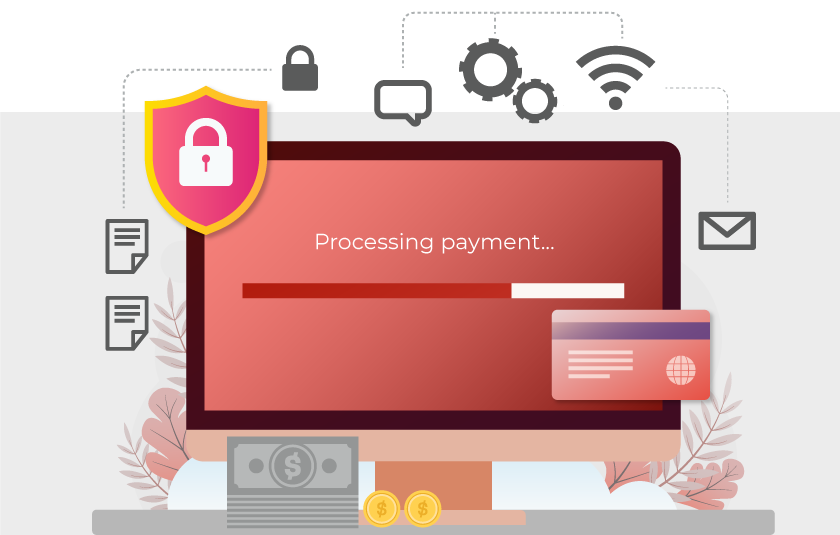
Safely accept credit cards on your website
If you want to increase your website traffic and customer base, you need to provide customers with safe payment options they prefer. With SSL Certificates, customers feel safe as their credit card details are secured and encrypted from prying eyes.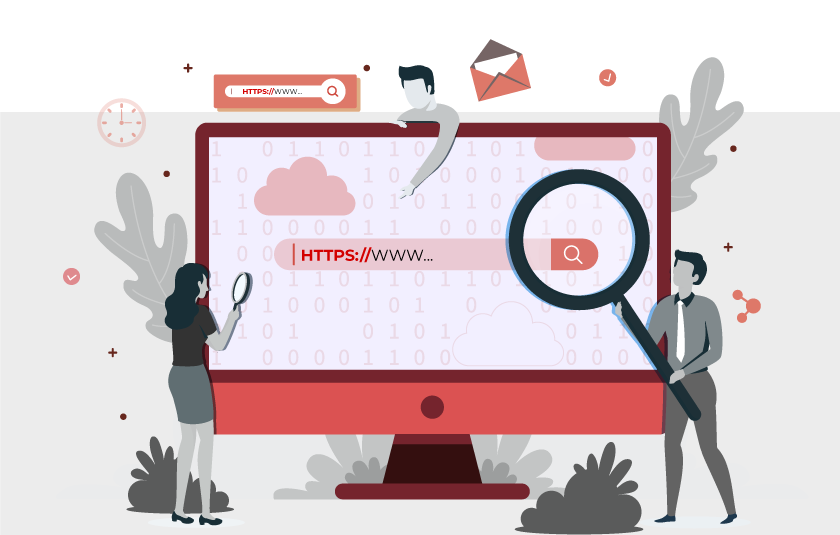
Increase customers’ trust and confidence
Most people look for the https:// prefix in their browser bar before submitting personal information (such as name, credit card number, address, etc.). An SSL Certificate is the only way to make customers feel safe and secure on your website!
Protect sensitive information
SSL Certificates protect your customers’ sensitive information by encrypting the data right as they send it to you, then decrypting it once you have received it.
Requirements
Certain SSLs require you to go through a basic 3-step SSL validation process. Learn more about verification processFrequently Asked Questions
1. How do i install my SSL certificate?
2. What is an SSL certificate?
3. Benefits of having an SSL certificate on my website?
4. How will people know my website is safe?
5. What is a Wildcard SSL Certificate?
6. What’s a Unified Communications (UCC) certificate?
7. How many separate domains can i protect with https?
8. What Is Changing With SSL/TLS Certificate Lifespans
Starting 15 March 2026, the maximum validity period for publicly trusted SSL/TLS certificates will be reduced from 398 days to 200 days, with further phased reductions that will shorten certificate lifetimes to 47 days by 2029.
Planned reduction timeline:
- 15 March 2026 – Maximum validity reduced to 200 days (approximately 6 months)
- 15 March 2027 – Maximum validity reduced to 100 days (approximately 3 months)
- 15 March 2029 – Maximum validity reduced to 47 days
The change was approved by the CA/Browser Forum, which includes major browser vendors (Apple, Google, Microsoft, Mozilla) and Certificate Authorities (e.g. DigiCert, Sectigo, GlobalSign).
The new rules apply to publicly trusted TLS server certificates, including:
- Domain Validation (DV)
- Organization Validation (OV)
- Extended Validation (EV)
9. Why Are Certificate Lifespans Being Reduced?
SSL certificates issued will be subject to phased validity period changes starting 15 March 2026. The reductions are part of an industry wide initiative to strengthen internet security and modernize certificate management practices. Shorter certificate lifetimes help to:
- Reduce security risk
By limiting how long a compromised or mis issued certificate can be abused. - Improve revocation effectiveness
Certificate revocation mechanisms have historically been unreliable; shorter lifetimes reduce reliance on revocation. - Encourage automation
Frequent renewals make manual processes impractical, pushing adoption of automated certificate lifecycle management and reducing human error. - Increase crypto agility
Frequent renewals make manual processes impractical, pushing adoption of automated certificate lifecycle management and reducing human error.